
Cafe : Opinion
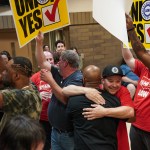 UAW Wins Big At Volkswagen In Tennessee – Its First Victory At A Foreign-Owned Factory In The South
The union had previously tried and largely failed to organize workers at foreign-owned companies, including Volkswagen and Nissan, in Southern states – where about 30% of all U.S. automotive jobs are located.





 Amazon, SpaceX And Others Are Arguing That The NLRB Is Actually Unconstitutional
The government agency has protected labor rights since 1935.

 Employees Have A Right To Show BLM Support On The Job After Historic Labor Board Decision
This right persists even if the messaging arguably has political connotations that some workers or customers might disagree with.
 The Xenophobic Conspiracy Theories Behind The Great Replacement Theory
These false ideas promulgated the spread of white supremacy, which has contributed to terrorist attacks, state violence and propaganda campaigns in the U.S and parts of Europe.